
Unlocking the economic opportunities of the North of England – it’s a challenge that successive governments have wrestled with and, mostly, failed to solve.
Now it’s back as a hot topic, with a new Prime Minister from the North, and formerly the Mayor of Manchester, who has made his intentions clear by quickly establishing No.10 North.
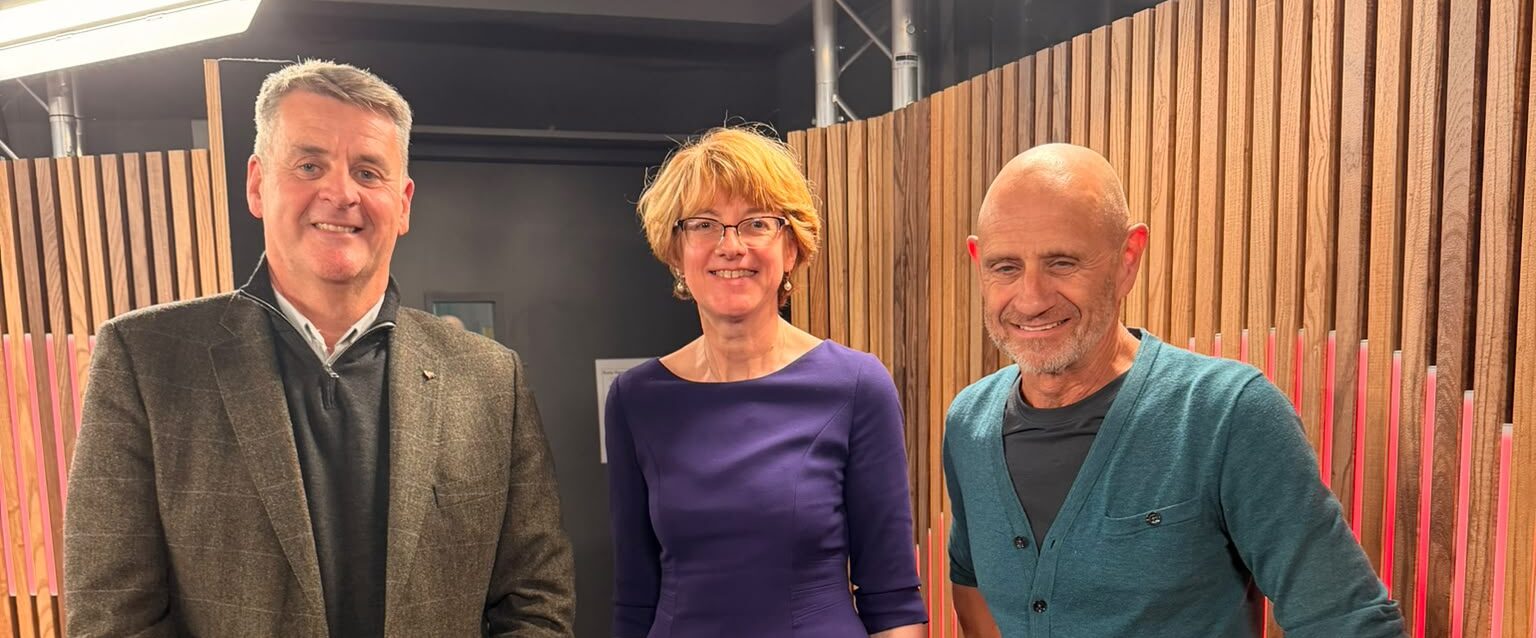
Our Chair, Finbarr Dowling, was pleased to join a wide-ranging discussion on the subject in the latest edition of BBC Radio 4’s influential The Bottom Line podcast.
Hosted by business journalist and Radio 4 PM programme presenter Evan Davis, the podcast saw Finbarr joined by fellow guests Henri Murison, Chief Executive of the Northern Powerhouse Partnership, and Susan Hinchcliffe, former Leader of Bradford City Council.
They were brought together to explore the challenges and opportunities around driving investment and productivity in the North and contributing to Prime Minister Andy Burnham’s ambitions to achieve “growth in every postcode”.
Their discussions ranged from transport connectivity and regional productivity to investment, industrial strategy and the importance of long-term political commitment. Beneath these themes was a shared recognition that the North’s economic challenges are not the result of any lack of ambition or opportunity.
The five Ps of successful investment
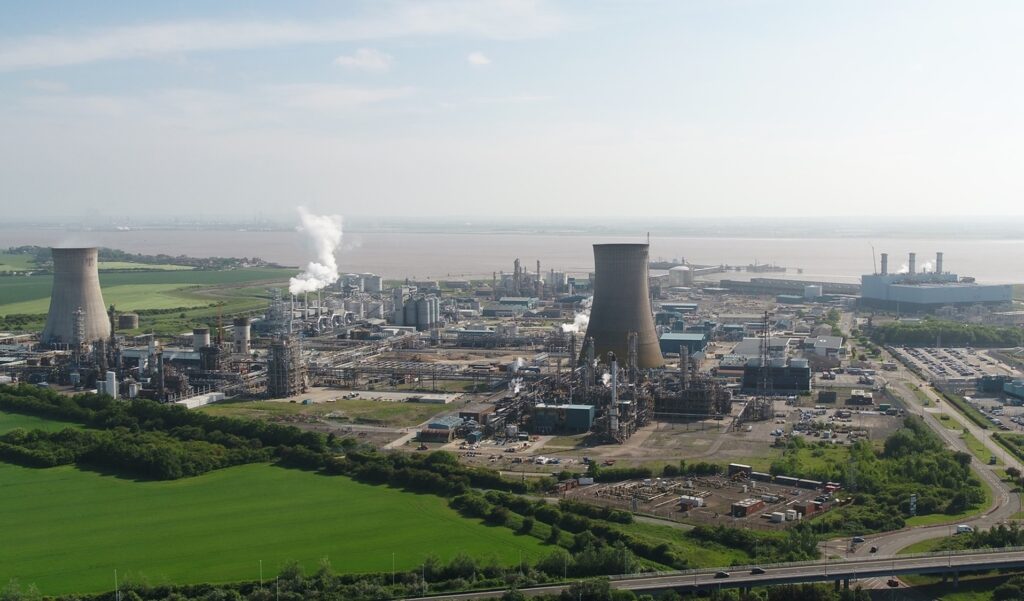
Saltend Chemicals Park is one of the UK’s leading industrial clusters, with part of the site within the Humber Freeport Hull East tax site. Picture: px Group.
Humber Freeport is one of 12 freeports established by the Government to attract investment in industrial regions viewed as critical to the future prosperity of UK Plc.
Highlighting opportunities offered by the Freeport’s tax sites, Finbarr said: “We have 1,500 acres of land across three sites. We have one on the south bank, at Immingham, and two on the north bank, in Goole and Hull.
“The idea is that these sites attract serious investment to deliver the industrial strategy for the country. I’m talking about advanced manufacturing, as an example.”
Finbarr also explained the importance of the five Ps in successful investment – “people, power, planning, policy and pounds”, adding: “When we’re looking at investment of serious money into creating thousands of well-paid jobs, those are points that come up all of the time.”
Finbarr said that, while the North has opportunities available across its industrial regions, including the Humber, the UK generally faced challenges in delivering investments at pace, for reasons such as availability of power to development sites and time-consuming planning processes.
He added: “We need to drive at pace, because that to me is what’s missing here. Everything just takes too long.”
Despite this, he said there was no question that the UK can compete in terms of industrial productivity.
“I come from an industrial background, running factories, including extremely productive factories, as good as anywhere in Europe, or, in fact, the world,” he said.
Debating the challenges and opportunities
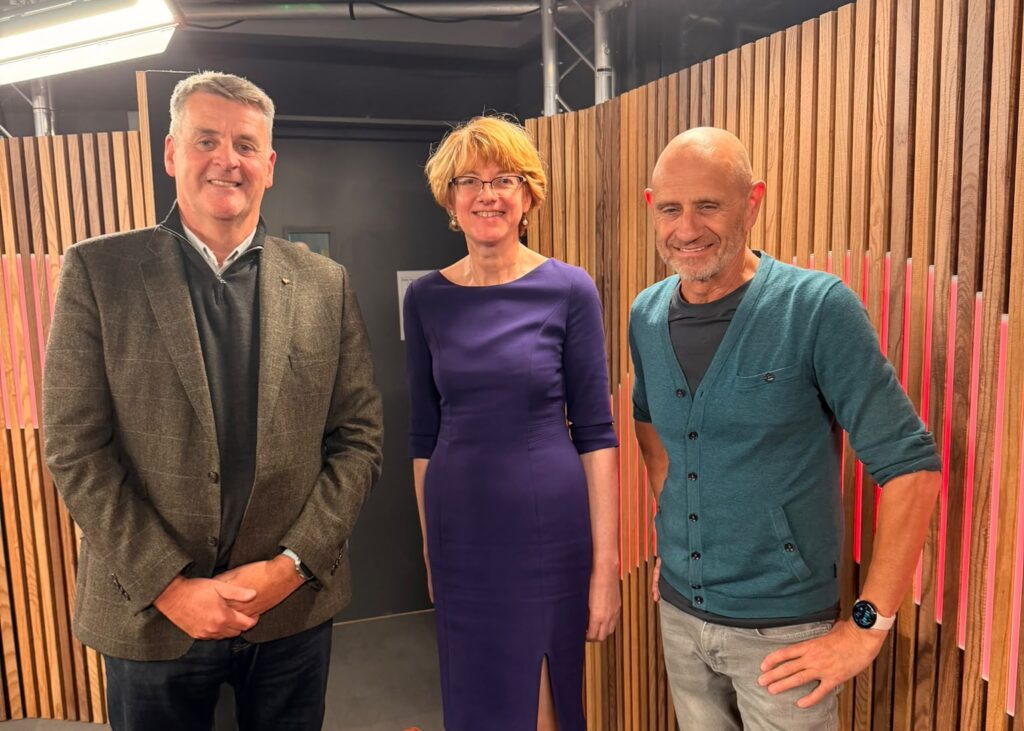
Our Chair Finbarr Dowling, left, with former Bradford Council Leader Susan Hinchcliffe and The Bottom Line podcast host Evan Davis. Fellow guest Henri Murison took part in the podcast remotely. Picture: Humber Freeport.
Evan Davis asked the guests to diagnose the underlying causes of the North’s economic challenges. Susan identified transport, skills and culture as three areas requiring attention, while Henri said the fundamental issue was a “productivity divide” between the North and the South.
Henri highlighted major opportunities such as the private sector being ready to invest billions of pounds in carbon capture infrastructure in the Humber region.
He said: “A big opportunity is in front of us, which we either invest in and we compete for these big opportunities, or we let them go somewhere else in the world.”
Finbarr called for the Government to “pick winners” by identifying clear industrial priorities and focus resources on delivering them with urgency. An industrial strategy, he argued, needed to establish what the country would prioritise and ensure that progress followed.
He was also quick to point out that he believes this is what “No.10 North is beginning to do”.
Host Evan questioned Finbarr on whether the Humber faced a disadvantage by sitting outside the perceived centre of the Northern Powerhouse. Finbarr challenged that assumption, highlighting the region’s importance to the UK’s energy system.
He said: “You say we’re not in the centre, but 20% of all electricity in this country is generated on the Humber; 20% of all of the natural gas imports are in the Humber; and 33% of all of the petroleum derivatives and fuels are created in the Humber.”
Reindustrialising the North
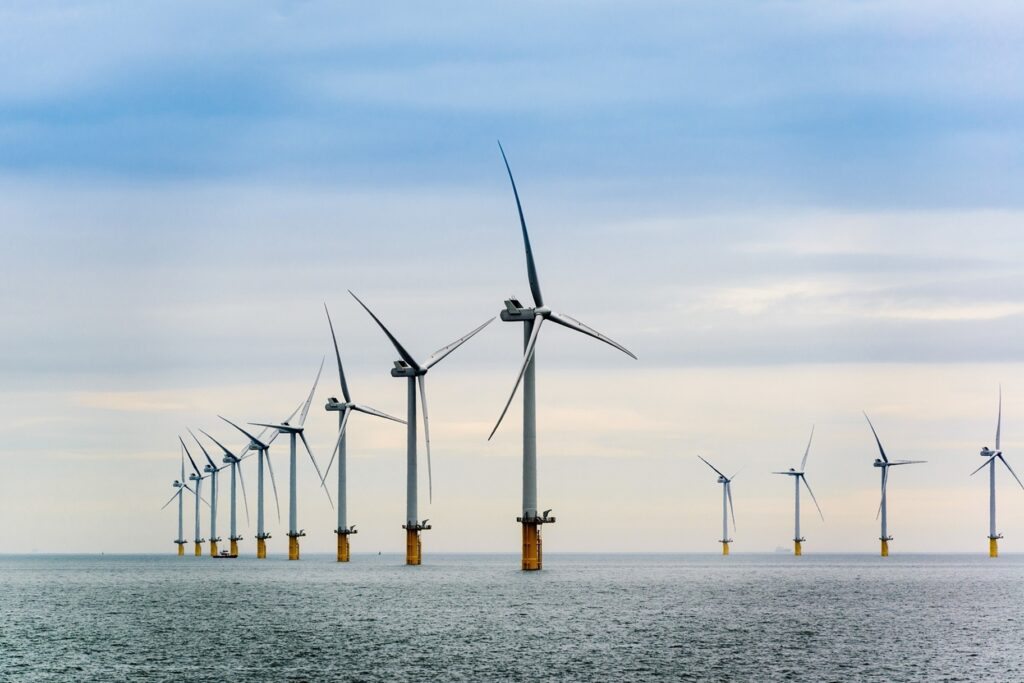
A wind farm off the East Yorkshire coast. Offshore wind is one of the Humber’s economic success stories, supported by long-term policy certainty. Picture: Ørsted.
Discussing defence and the reindustrialisation of the North, Henri highlighted that many of the technologies being pursued, such as drones, don’t have an existing UK supply chain.
He said: “There’s not huge amounts of this capability already in the UK, but there are lots of businesses that could get involved in these supply chains if they were able to make that switch.”
Finbarr pointed to similar opportunities in the energy sector, particularly small modular reactors (SMRs), highlighting Rolls-Royce’s ambition to source the vast majority of its supply chain in this field from the UK as potentially a “game changer”.
Finbarr added: “If Rolls-Royce have set out their stall that 80% of the supply chain will be local, then SMRs could easily be a big part of the energy mix going forward. So, there are those opportunities, which are indigenous to the UK, that can drive growth in the North.”
Likewise, Finbarr highlighted Sustainable Aviation Fuel (SAF) as a significant opportunity for the Humber, an example being the plans by LanzaTech to develop a SAF facility within Humber Freeport’s Hull East tax site. The Government has mandated that at least 10% of aviation fuel must come from SAF stock by 2030 (it was 2% in 2025) and 22% by 2040.
So, the policy is clear. However, what the industry now requires is the long-term price certainties that give them the confident to build these processing sites. The parallel in the offshore wind Industry was Contracts for Difference (CfDs). Those mechanisms were key in driving the offshore wind industry in the UK and, in particular, on the Humber.
Connectivity as an economic driver
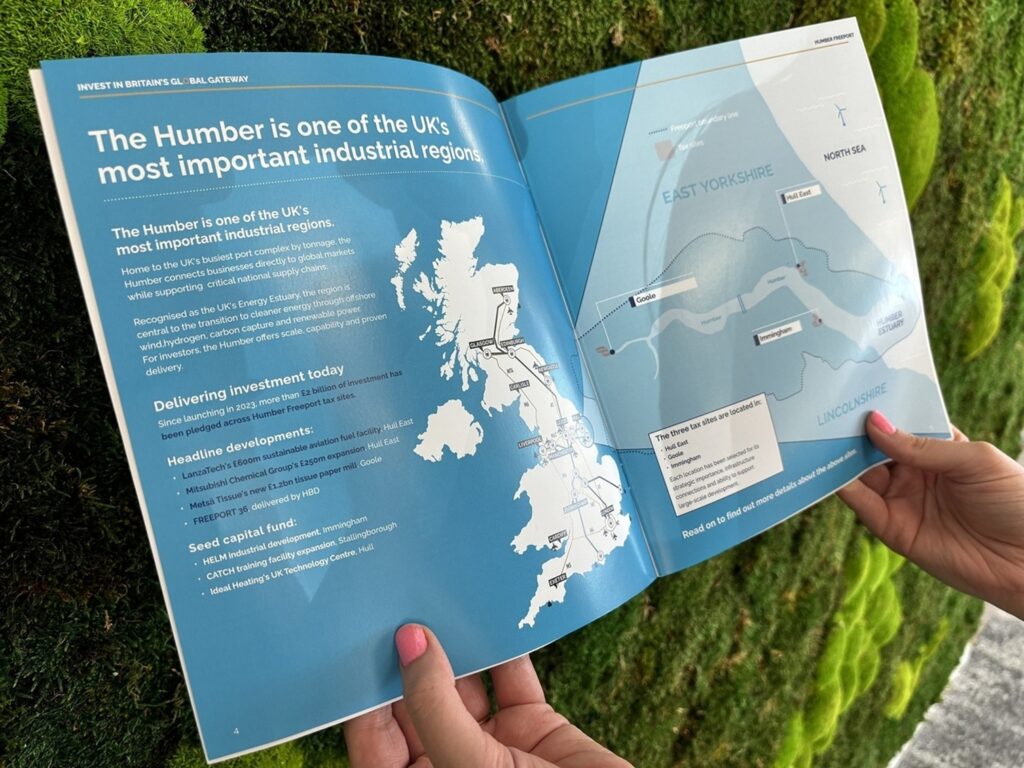
The Humber Freeport Investment Prospectus details the significance of the Humber region, as critically important to the UK economy.
Transport connectivity was another key topic. Susan Hinchcliffe highlighted the disparity between Bradford’s population and transport infrastructure to support its economic development.
Her argument was not simply about making journeys quicker – reliable transport links help businesses access skilled workers and enable people to reach employment opportunities.
Susan said the North’s connectivity challenges were deeply rooted, reflecting historical infrastructure decisions that have left areas poorly connected.
She cited that it only takes 24 minutes to travel by train from Reading to London, while the same distance from Manchester to Bradford takes an hour and a quarter, underlining the contrast between the South and North.
Susan added: “I also accept that connectivity nowadays isn’t just transport. It is also about data connectivity.”
Highlighting reasons for optimism
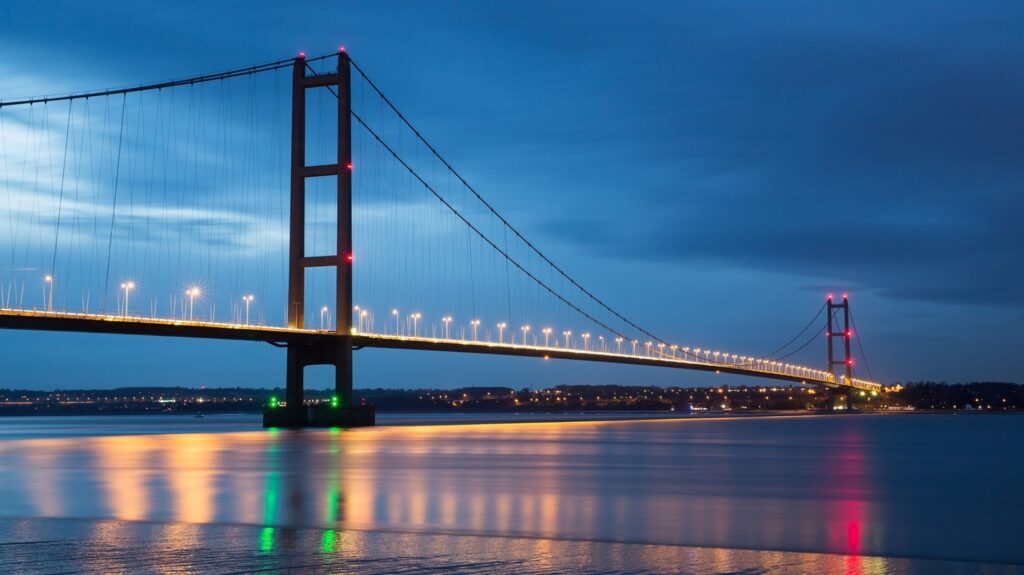
The Humber Bridge, which links the north and south banks of the estuary and symbolises the connections between the industrial clusters on either side. Picture: Future Humber.
Henri Murison stressed the importance of maintaining momentum behind the Northern Powerhouse vision. He explained that the Northern Powerhouse Partnership was established a decade ago to help keep northern economic growth on the agenda and encourage greater collaboration between cities.
He added: “We have seen some ups and downs in the last 10 years, but we are definitely on an up. This Government is clearly interested, not just in northern growth, but in regional growth across the country.”
Susan expressed optimism about Andy Burnham’s ambitions for the North, based on her experience of working with him at Rail North when she was Vice Chair and the then Mayor of Manchester was Chair.
“I have seen first-hand how he really strives to get what he wants, and achieves it as well,” she said.
While the discussion addressed challenges and barriers to progress, the consensus was that there was reason for optimism, with Finbarr making the point that initiatives such as No.10 North are focusing attention on the many opportunities for the North of England to be a major engine of growth for UK Plc.
Finbarr’s key message on the podcast was one driven by action: “We’ve got to deliver, we’ve got to be consequential, and we’ve got to get it done quickly”.
- Listen to the full The Bottom Line podcast here: bbc.co.uk/sounds/play/m00333bd
